The Stark Reality of the Global Water Crisis
The world is on the brink of a devastating water and hygiene crisis, intensified by climate change and escalating conflicts. Millions of people are struggling to survive every day – and the most vulnerable among them, the children, bear the heaviest burden.
Water is not just a basic human right; it is the very essence of life. Yet the harsh truth is that access to clean water remains an unreachable hope for billions of people on this planet. While we in industrialized countries enjoy the luxury of turning on the tap at any time, families in many parts of the world are fighting for every drop of clean water.
1. The Crisis Is Already Here and Now
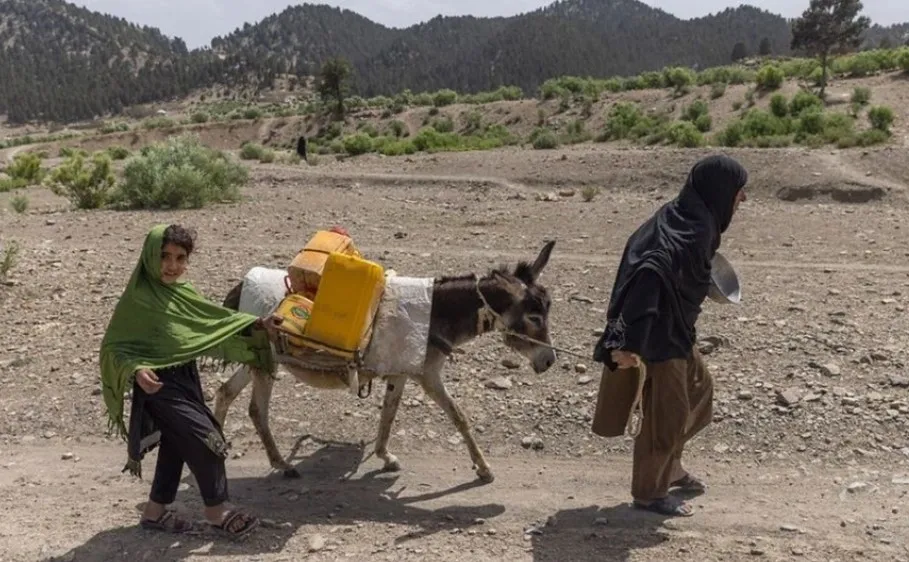
Although more than two-thirds of the Earth is covered with water, less than three percent is drinkable – and this precious resource is unevenly distributed. In regions like Africa, Latin America, and Asia, water scarcity is not just a daily struggle but a matter of life and death.
In the past two decades, access to drinking water has improved for over two billion people. But it’s not enough. More than two billion people around the world still lack regular access to clean water. Climate change is intensifying this crisis, and the situation is dire: approximately 739 million children and adolescents are already living in areas with high or very high water scarcity.
2. Safe Water: An Illusion for Billions
The goal of ensuring universal access to safe and affordable drinking water by 2030 is slipping further out of reach. “Safe” water doesn’t just mean it’s clean – it must also be accessible, available, and free from contaminants. For millions, this remains an unattainable reality.
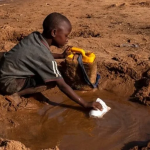
A harrowing example is the story of 7-year-old Madina from Sudan. Her village, Gelhanty, suffers from water shortages and recurring droughts. The only water source available to her is a stream shared with animals – a source that could be contaminated with dangerous germs and bacteria.
3. Time Is Running Out: The Moment for Change Is Now
The global water crisis demands immediate action. Political measures must prioritize the most vulnerable communities. Investments in water, sanitation, and hygiene systems need to increase dramatically, and climate resilience must be strengthened. Without radical change, billions of people will continue to suffer the devastating consequences of this crisis well beyond 2030.
It’s time to open our eyes and face the brutal reality of the water crisis. Business as usual is no longer an option – the future of millions depends on it.
4. Children Are the Most Vulnerable to Water Scarcity and Poor Hygiene
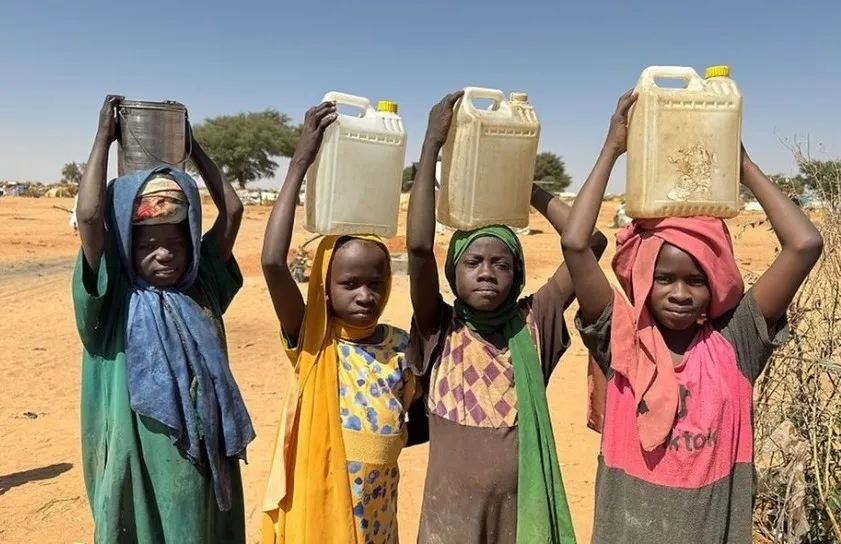
A lack of clean water and hygiene remains one of the leading causes of death among children under five.
Every day, more than 1,000 children under the age of five die from diseases caused by contaminated water, poor sanitation, and a lack of hygiene.
Hygiene is one of the simplest and most cost-effective ways to prevent life-threatening illnesses. A powerful example comes from the Philippines, where children learned to sing “Happy Birthday” twice while washing their hands with soap after the devastating 2013 typhoon – the ideal length of time to eliminate harmful germs effectively. This habit is crucial, especially in the world’s poorest regions, where handwashing with soap is far from a given.
Thorough handwashing with soap is a key weapon in the fight against disease – as the COVID-19 pandemic clearly reminded us. Yet the problem remains: billions of people around the world still lack regular access to a place where they can wash their hands. This increases the risk of disease outbreaks and leaves the most vulnerable – especially children – dangerously exposed.
5. Water Scarcity Has Already Reached Europe
Water scarcity is no longer a distant threat in Europe – it has become a harsh reality. Several countries are already grappling with severe water shortages, and the consequences are far-reaching:
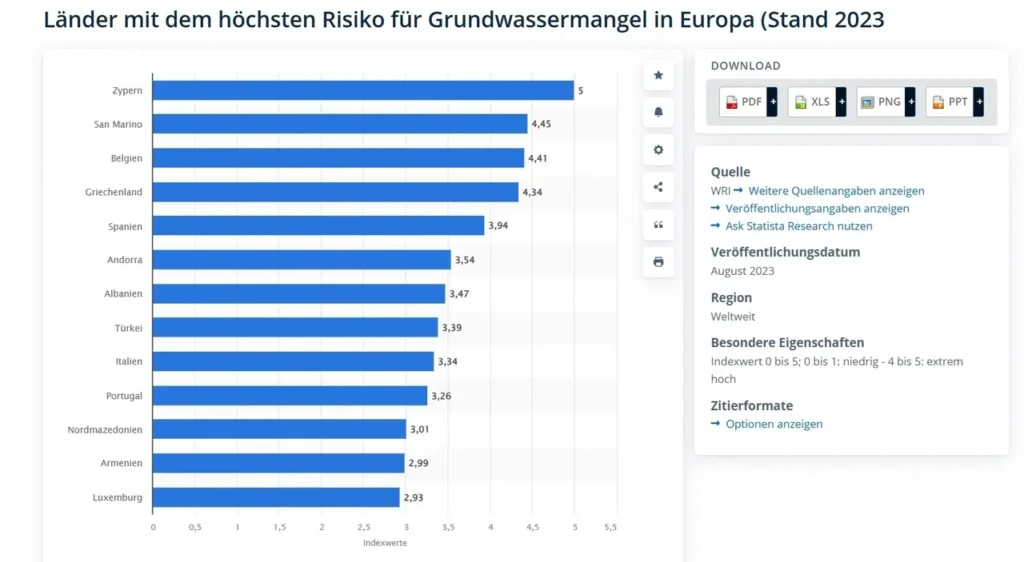
Spain: Regions like Andalusia and Catalonia are particularly affected by extreme droughts. This leads to water rationing, threatens agriculture, and complicates the supply of drinking water.
Italy: In northern Italy, especially in the Po Valley, water scarcity has become so severe that agriculture is suffering. Water supply for households and industry is also under pressure.
Greece: The Greek islands, especially in the Aegean Sea, are experiencing increasing water shortages, endangering the population’s water supply and requiring imports of drinking water.
Portugal: Southern regions like Alentejo are especially impacted. Prolonged droughts are drastically reducing water reserves and severely affecting agriculture.
France: In the summer of 2023, some regions experienced the worst drought in decades. Water usage restrictions were enforced, and long-term threats to wine and agriculture emerged.
Germany: Even in Germany, regions in the east and in Bavaria are increasingly affected by water scarcity. Dry summers and low groundwater levels are already forcing communities to implement water-saving measures.
6. Consequences of Water Scarcity in Europe
• Agriculture: Water shortages lead to crop failures and threaten the livelihoods of many farmers. This can result in rising food prices and economic losses.
• Water supply: In some areas, water is rationed, and residents are asked to conserve water. This affects quality of life and can cause social tensions.
• Environment: Water scarcity damages ecosystems as rivers dry up and wetlands disappear. This endangers biodiversity and worsens environmental issues.
• Tourism: Regions heavily dependent on tourism may face water use restrictions, potentially diminishing their attractiveness to visitors.
The water crisis is not just a developing-world issue – Europe must urgently confront the impacts of water scarcity and develop sustainable solutions to secure its long-term supply.
Since 2024, a new initiative has launched: #WaterWiseEU – a campaign promoting more mindful water use across Europe. Our continent is warming twice as fast as the global average, putting growing pressure on water systems. Every year, 30% of people and 20% of land in Europe are affected by water scarcity. 70% of Europeans express concern about water pollution and scarcity, yet nearly half feel inadequately informed about water issues in their own countries.
Urgent Action Needed: We Are Heading Toward Disaster
The alarming data makes it clear: the world is failing to meet the sixth UN Sustainable Development Goal – “Clean Water and Sanitation for All.” Without immediate action, an unprecedented crisis looms.
“SAVE THE WORLD SOLUTION” – the operator of this blog – is actively committed to combating water scarcity. Through our projects, including large-scale reforestation and other environmentally conscious initiatives, we directly confront climate change. These efforts reduce the risk of accelerated global warming and help secure water resources for future generations.
We act today to ensure a better tomorrow.