Cities in Climate Change: How Green Spaces and Urban Greening Can Help Adapt Our Urban Areas
Climate change is no longer a distant threat—it is increasingly evident in our cities. Heatwaves that were once rare are now becoming a regular part of urban summers. These changes pose enormous challenges for cities around the world: overheated asphalt surfaces, buildings that retain heat, and growing pressure on infrastructure. But cities are not helpless. They can take proactive steps to counter the effects of climate change and make urban life more bearable.
The Challenge: Heatwaves in Urban Areas
Cities are particularly vulnerable to heatwaves. Dense construction, sealed surfaces, and a lack of vegetation cause urban areas to heat up more than the countryside. This so-called “urban heat island” effect means that cities are often several degrees warmer than their surrounding areas. This not only strains the health of residents but also overburdens infrastructure: asphalt melts, power grids are pushed to their limits, and water shortages become a very real danger.
The Problem: Heavy Rainfall and Storms
In addition to rising temperatures, cities are also increasingly affected by extreme weather events such as heavy rainfall and severe storms. These phenomena can cause flooding that puts immense strain on urban infrastructure. Sewage systems are often not designed to handle the sudden volumes of water, leading to backups and inundations. The resulting damage is not only costly but also poses serious safety risks for residents and can lead to the destruction of property.
Storm Alert: Vienna in a State of Emergency – Natural Disasters on the Rise
Are extreme weather events really becoming more frequent, or is this just a myth? The answer is alarmingly clear: A massive rainstorm recently struck Vienna, unloading an incredible 110 millimeters of rain per square meter in a very short time. This natural force plunged the city into chaos, brought traffic to a standstill, and turned roads into rivers. Emergency services worked around the clock to contain the damage and keep people safe.
Such extreme weather events are no longer rare. They clearly demonstrate that the threat from storms and natural disasters is real and increasingly affecting our cities and daily lives. It’s becoming ever more evident that these extreme phenomena could become the new normal—with far-reaching consequences for safety and infrastructure.
Mosquito Infestation and Emerging Diseases
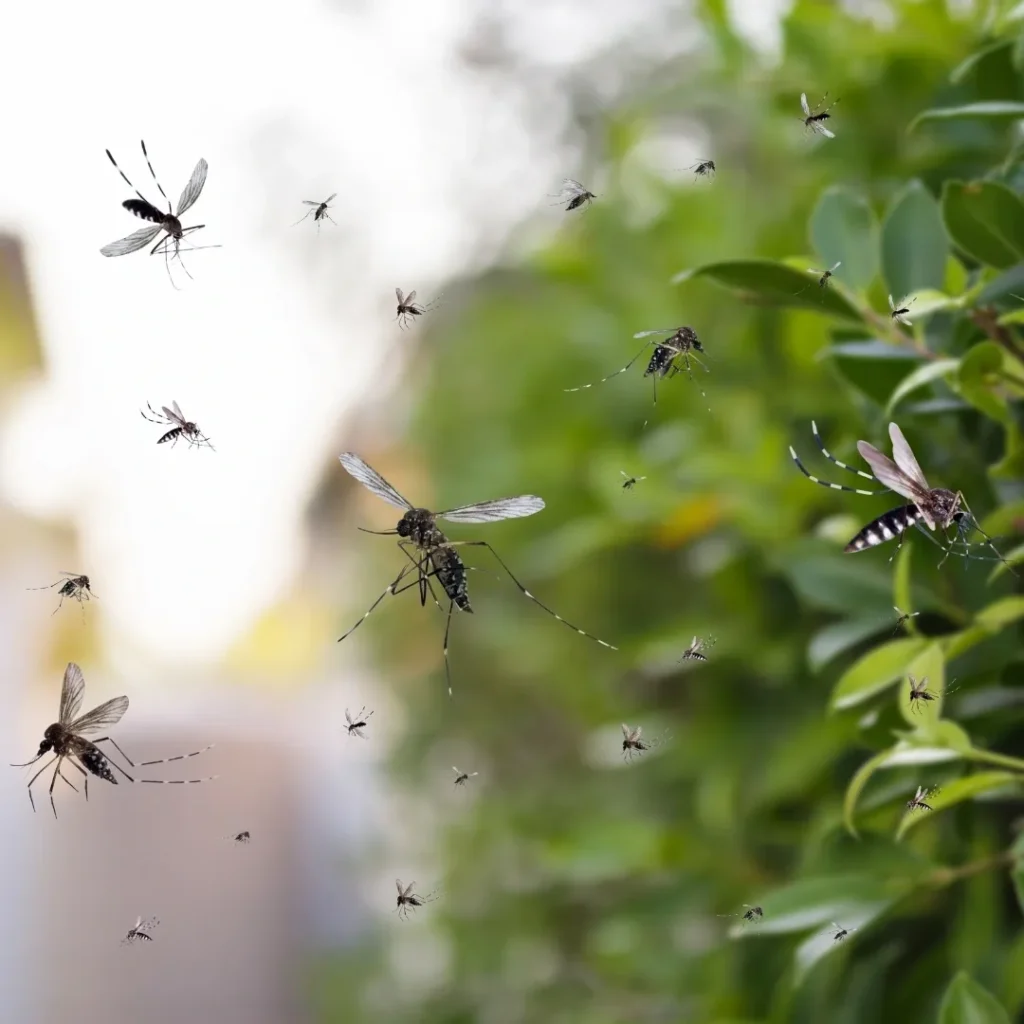
Rising temperatures and changing rainfall patterns are also contributing to the growth of insect populations—particularly mosquitoes. These insects are known carriers of diseases such as dengue fever, Zika virus, and West Nile virus. As mosquitoes spread into urban areas, the risk of these diseases being introduced to new regions increases. This not only poses a public health threat but also puts additional pressure on urban healthcare systems.
The Solution: More Green Spaces and Urban Greening
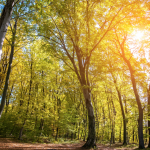
One of the most effective ways to combat urban overheating is the creation and expansion of green spaces. Parks, green corridors, and planted plazas act like natural air conditioners, helping to lower surrounding temperatures. Trees provide shade, improve air quality, and enhance the well-being of urban residents. It is essential that these green spaces are not limited to the outskirts of cities but are also integrated into densely built-up urban centers.
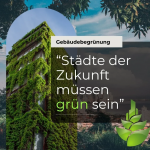
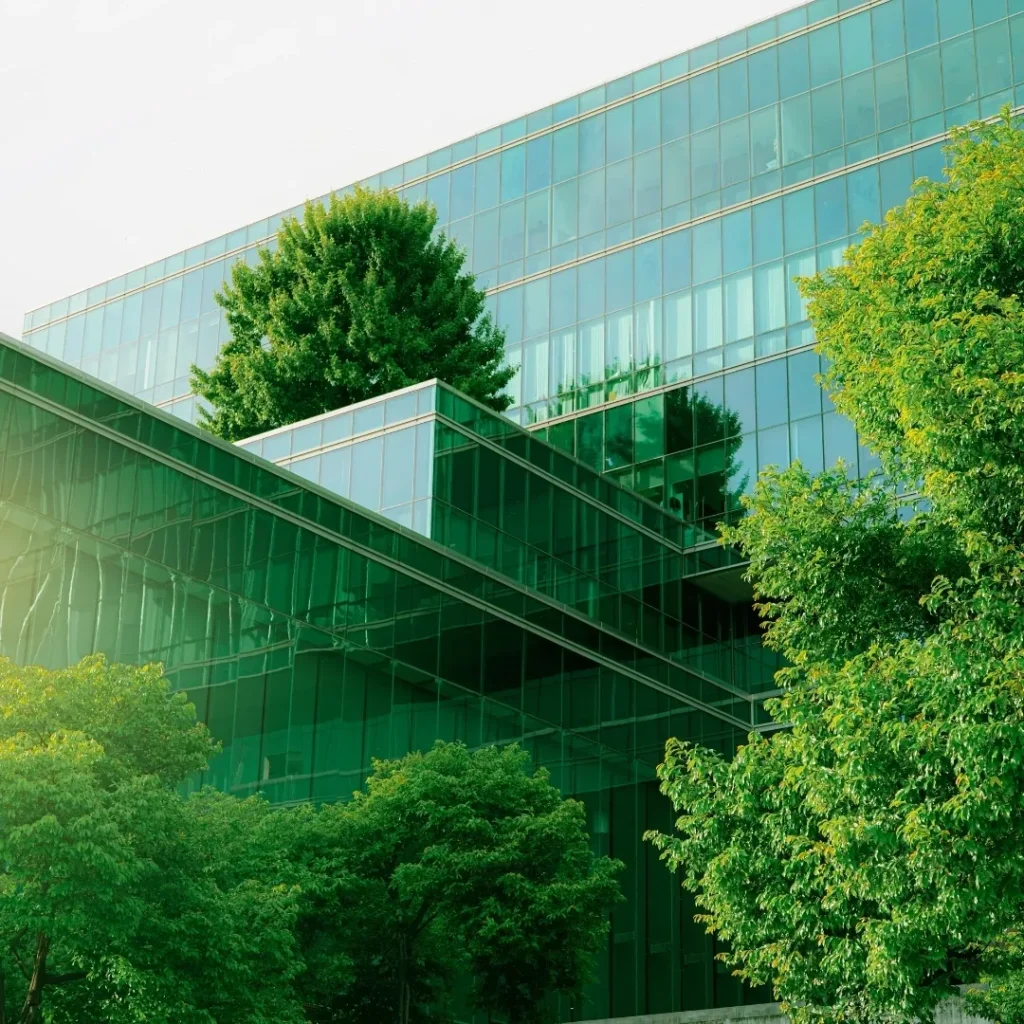
Another key factor is the greening of buildings. Green roofs and facades are not only visually appealing but also offer a wide range of practical benefits. They insulate buildings against heat, reduce energy consumption, and capture fine dust particles. In addition, they support urban biodiversity by creating habitats for birds and insects.
By promoting biodiversity in urban areas, natural predators of mosquitoes—such as birds and bats—can be supported. This helps keep mosquito populations in check and reduces the risk of insect-borne diseases.
Additional Adaptation Measures
Beyond greening open spaces and buildings, there are a variety of other strategies cities can implement to adapt to climate change. The use of light, reflective materials for streets and buildings can help reduce heat absorption. Water management systems—such as targeted rainwater harvesting and storage—help mitigate water shortages during dry periods and serve as buffers during heavy rainfall events.
Moreover, cities can adapt their infrastructure to better withstand changing climate conditions. Roads designed to remain stable even under extreme temperatures and energy-efficient cooling systems are just two examples of how urban resilience can be strengthened.
Conclusion: The Cities of the Future Must Be Green
Climate change presents cities with immense challenges—but it also opens up opportunities to make urban spaces more sustainable and livable. Green spaces, building greening, and other adaptation measures are not luxury solutions; they are essential steps toward aligning cities with new climate realities. By making our cities greener, we create cooler, more pleasant environments while contributing to climate protection and improving residents’ quality of life.