The Green Deal: A Comprehensive Look into a Sustainable Future
Welcome to Save the World Solution, your go-to platform for insights on sustainable development and environmental protection. In this article, we explore one of the European Union’s most ambitious environmental strategies: the Green Deal. You’ll learn what it involves, how far implementation has progressed, and what benefits and challenges lie ahead.
What is the Green Deal?
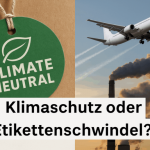
The Green Deal is the European Union’s flagship climate and environmental strategy. It aims to make Europe the first climate-neutral continent by the year 2050. Launched under the leadership of EU Commission President Ursula von der Leyen, this initiative seeks to combat climate change while laying the foundation for long-term sustainable economic growth.
Official website of the European Commission:
The European Green Deal – europa.eu
Key objectives of the Green Deal
The EU plans to reduce greenhouse gas emissions to net zero by 2050. Renewable energy sources such as wind, solar and hydropower are to be significantly expanded. Energy efficiency is to be improved across all sectors. Agriculture is to become more environmentally friendly through sustainable farming practices. Transportation is to shift toward electric vehicles and improved public transit systems.
Implementation progress
Since the Green Deal was announced, the EU has taken several important steps. Legislative proposals like the Climate Law have introduced binding emissions targets. Major investment plans have also been launched to support the shift to a green economy. However, full implementation is still ongoing, and numerous political, financial and logistical challenges remain.
Advantages of the Green Deal
The plan offers major environmental benefits by reducing emissions and directly addressing climate change. Economically, it opens up new opportunities through investment in green technologies and infrastructure, which can also support recovery from the COVID-19 crisis. Public health will benefit from lower air pollution and a cleaner environment, leading to fewer environmentally related illnesses.
Challenges of the Green Deal
Implementation will require substantial financial investment, which may be difficult for some EU member states and businesses. The transition from fossil fuels to renewables could lead to temporary job losses and social tensions in affected sectors. Some industries, especially those heavily reliant on fossil energy, are expected to resist or struggle with adapting to new regulations.
The status of combustion engine vehicles
Reducing emissions in the transport sector is a core component of the Green Deal. From 2035 onward, the EU plans to end the sale of new combustion engine vehicles. This move has sparked widespread debate but is seen as essential for achieving climate targets. The Green Deal also includes tighter emissions regulations and stronger incentives for electric mobility.
For more on this topic, check out the coverage from ZDF HEUTE.
Emissions Certificates: Relevance Now and in the Future
Emissions certificates are a key instrument in the strategy to reduce greenhouse gas emissions. They allow companies to trade and reduce their emissions by creating financial incentives for adopting low-emission technologies. Looking ahead, emissions certificates are expected to play an even greater role as a flexible and cost-effective tool to support green innovation and help meet international climate targets.
Criticism of the Green Deal
Some political parties and citizens express concerns about the economic impact of the Green Deal. The fear is that high costs could strain national budgets and lead to job losses in traditional industries.
There are also questions about the technical feasibility of certain measures. Rapid deployment of new technologies and infrastructure may not be realistic in all sectors or regions.
Political differences within the EU further complicate implementation. Conflicting national priorities and varying levels of commitment have led to resistance. Several countries and political groups are calling for adjustments to the Deal’s targets and timelines.
Conclusion
The Green Deal represents an ambitious and necessary effort to fight climate change and protect the environment. While its benefits are clear, it also presents valid concerns and challenges that must be addressed. The European Union faces the critical task of striking a balance between ecological and economic priorities in order to ensure a sustainable and equitable future.
Stay informed about ongoing developments and join us on our mission to make the world a better place.
Save the World Solution – Together for a sustainable future.