Bee Honey and Asthma Therapy: A Natural Connection Amid the Slow Decline of Bee Populations
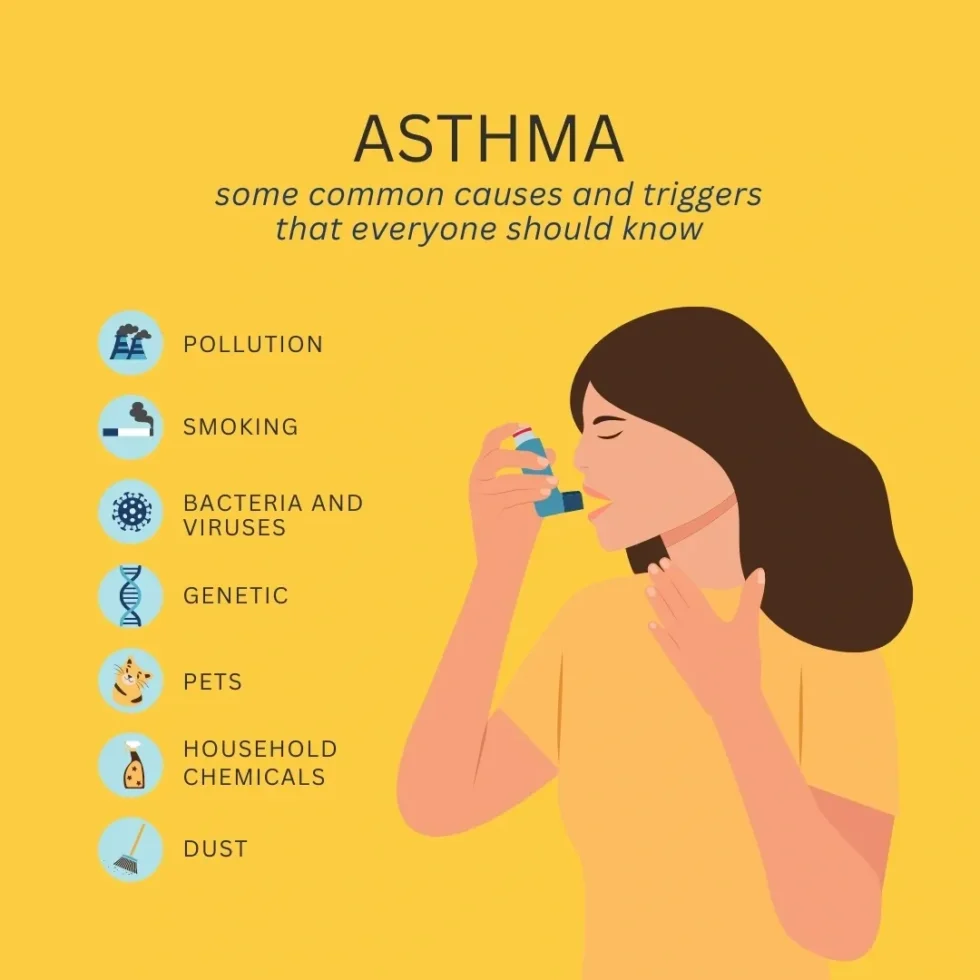
In our previous blog, we discussed the slow decline of bees and the far-reaching consequences this phenomenon has on our environment and food production. However, the impact of bee decline goes beyond nature and agriculture—it also affects our health. One particularly noteworthy aspect is the connection between bee honey and asthma therapy. In this blog, we explore how honey may help relieve asthma symptoms and why protecting bees is more important than ever.
Bee Honey and Asthma Therapy: A Natural Connection
Asthma is a chronic respiratory condition that affects millions of people worldwide. While conventional treatments such as inhalers and medications are commonly used, there are also natural approaches that can support symptom relief. One such approach is the use of bee honey. In this article, we examine the relationship between honey and asthma therapy and how this sweet natural substance may benefit individuals with asthma.
The Wonders of Bees
Bees are remarkable creatures whose importance goes far beyond pollinating plants. Their role in producing honey, propolis, royal jelly, and other bee products has a profound impact on human health and well-being. Honey in particular has been a staple in traditional medicine for centuries and is valued for its wide range of health benefits.
Honey: A Natural Remedy
Honey is more than just a delicious sweetener—it is a natural product with impressive healing properties. It contains a variety of nutrients, enzymes, antioxidants, and antibacterial compounds that can help strengthen the immune system and fight infections. These qualities make honey a valuable element in natural asthma therapy.
How Honey Can Help with Asthma
Anti-inflammatory properties
Asthma is often linked to chronic inflammation of the airways. Honey contains natural anti-inflammatory compounds that may help reduce this inflammation and soothe the respiratory system.
Antioxidant effects
The antioxidant properties of honey can help combat damage caused by free radicals, which may play a role in asthma symptoms. Antioxidants support respiratory health and can contribute to symptom relief.
Antibacterial action
Respiratory infections can trigger or worsen asthma attacks. Honey’s natural antibacterial qualities may help prevent infections and strengthen the immune system.
Relief from coughing
Chronic coughing is a common symptom of asthma. Honey can soothe the throat and reduce irritation, which helps minimize coughing episodes.
How to Use Honey in Asthma Therapy
To take advantage of honey’s potential benefits in asthma therapy, you can incorporate it into your daily routine in several ways.
Consuming a spoonful of honey in the morning may provide an immune-boosting start to the day.
Mixing honey with warm water or tea creates a calming and healing drink.
Combining honey with ginger, which also has anti-inflammatory properties, may offer enhanced effects.
Inhalation Therapy in Asthma: Devices and Applications at a Glance
A key component of asthma treatment is the use of inhalation devices, which deliver medication directly into the lungs. In this section, we provide an overview of the different types of inhalers and how they work.
Types of Inhalation Devices
Metered-dose inhalers (MDIs)
These devices deliver a precise dose of medication as an aerosol. They are compact and easy to use.
They are highly portable and provide quick relief, but they require coordination between pressing the inhaler and breathing in at the right moment.
Dry powder inhalers (DPIs)
These release medication in powder form, which is inhaled with a deep breath.
They are ideal for those with reduced hand strength, since they require no coordination, but they do need a strong inhalation, which may be difficult for some patients.
Nebulizers
Nebulizers convert liquid medication into a fine mist that is inhaled through a mask or mouthpiece.
They are effective for severe asthma attacks and require no special breathing technique, but they are bulkier, less portable, and require more time for each session.
Benefits of Inhalation Therapy
Inhaled medication acts quickly and efficiently because it reaches the airways directly.
Since the treatment is localized in the lungs, systemic side effects are usually lower compared to oral medications.
Inhalers allow for targeted, on-demand use during acute symptoms.
Precautions When Using Honey
Although honey offers many health benefits, a few precautions should be taken into account.
People allergic to bees or pollen should use honey with care.
Honey should never be given to children under one year of age due to the risk of botulism infection.
Conclusion
Bee honey is more than a natural sweetener—it is a powerful gift from nature with potential health benefits for individuals with asthma. Its anti-inflammatory, antioxidant, and antibacterial properties may help ease asthma symptoms and support overall respiratory health. However, honey should be seen as a complementary remedy, not a replacement for medically prescribed asthma treatments.
If you suffer from asthma and are interested in integrating natural remedies into your routine, consult your doctor about how honey might support your therapy. Bees may be small, but their contribution to our health is enormous—let’s use their gifts wisely.