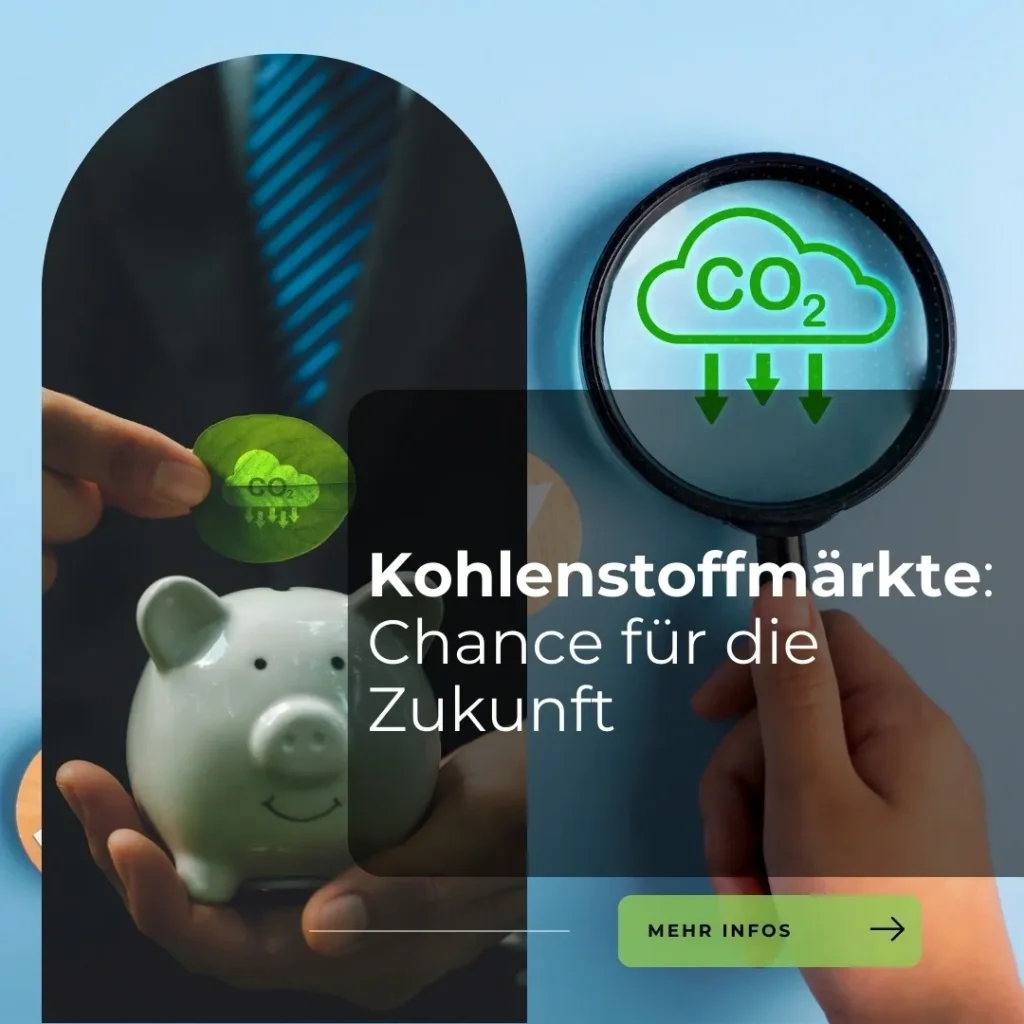
Carbon Markets: A Key Lever for Climate Action and Economic Opportunity
In an era where climate change is recognized as one of humanity’s greatest challenges, innovative approaches to reducing greenhouse gas emissions are more crucial than ever. One such approach gaining global traction is the carbon market. These markets not only provide a mechanism for lowering emissions, but also create new economic opportunities for a more sustainable future.
What Are Carbon Markets?
Carbon markets are trading systems for emission allowances. Each allowance represents the right to emit a specific amount of CO₂ or other greenhouse gases. These systems come in two main forms:
Compliance Markets
Governments or regulatory bodies, such as the European Union, establish mandatory carbon markets. A leading example is the EU Emissions Trading System (EU ETS), which requires companies to cap their emissions and purchase allowances for any excess output.
Voluntary Markets
These allow companies, organizations, and even individuals to offset their emissions on a voluntary basis—particularly valuable for sectors not subject to regulatory emission limits.
The Benefits of Carbon Markets
Reducing Emissions
The primary aim of carbon markets is to lower total greenhouse gas emissions. By limiting the number of available allowances and gradually tightening the cap, these systems push companies to innovate and cut emissions—resulting in real, measurable climate impact.
Economic Incentives
By assigning a price to carbon, these markets create financial motivation to invest in cleaner technologies and more efficient practices. The higher the carbon price, the stronger the business case for sustainable innovation.
Through this blend of environmental responsibility and economic logic, carbon markets help accelerate the transition to a low-carbon future. They offer a rare combination of climate protection, economic growth, and technological progress—a true win-win for today and generations to come.