Our Drinking Water at Risk: War and the Threat to Water Quality
Water is the lifeblood of our planet. Without clean drinking water, life cannot exist—yet this precious resource is increasingly under threat. In particular, wars and armed conflicts significantly contribute to the deterioration of water quality. While bombs and bullets represent the immediate danger in war zones, the long-term environmental consequences—especially for drinking water—are often even more devastating.
The Invisible Consequences of War: Contaminated Water
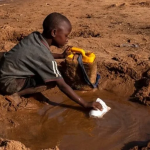
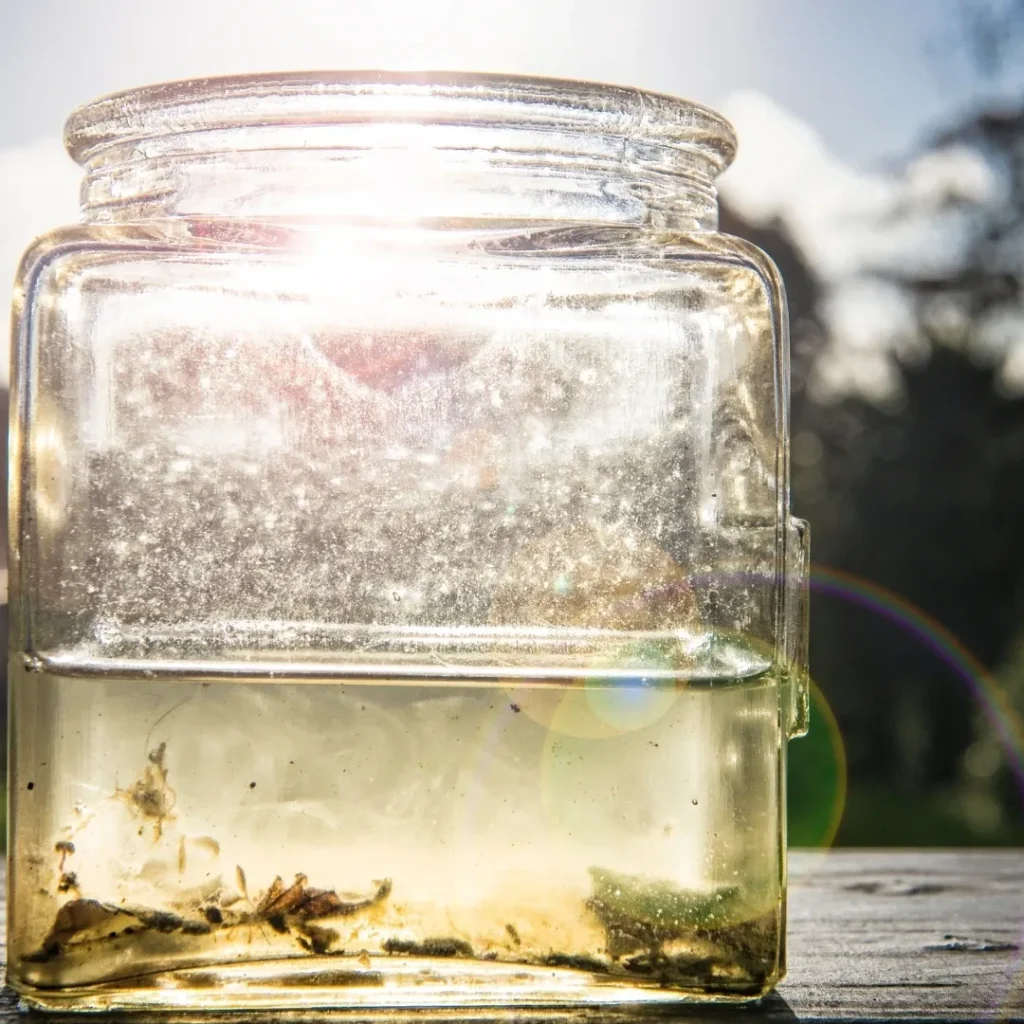
War not only destroys infrastructure and homes, but also has severe effects on water sources. Chemicals used in warfare seep into groundwater. Wastewater, which can no longer be treated due to damaged sewage plants, flows unfiltered into rivers and lakes. As a result, vital water resources become contaminated, and drinking water quality declines drastically.
Another major concern is the deliberate destruction of water supply systems. Attacks on dams, water treatment plants, and pipelines are a grim reality in many conflict zones. Such acts deprive populations of access to water and often lead to long-term environmental disasters when polluted water spreads uncontrollably through natural ecosystems.
Olympic Games 2024: When Water Becomes a Threat
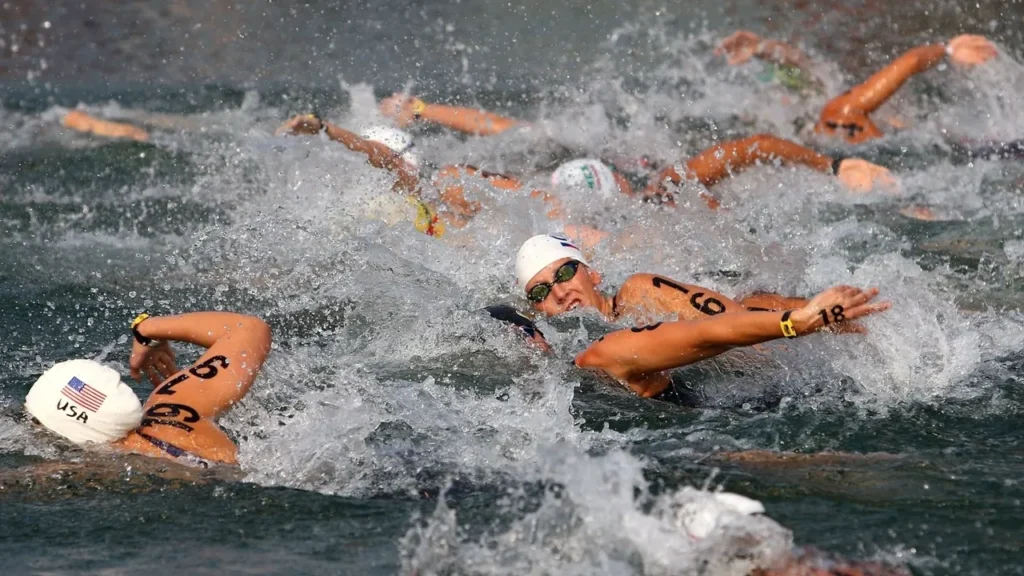
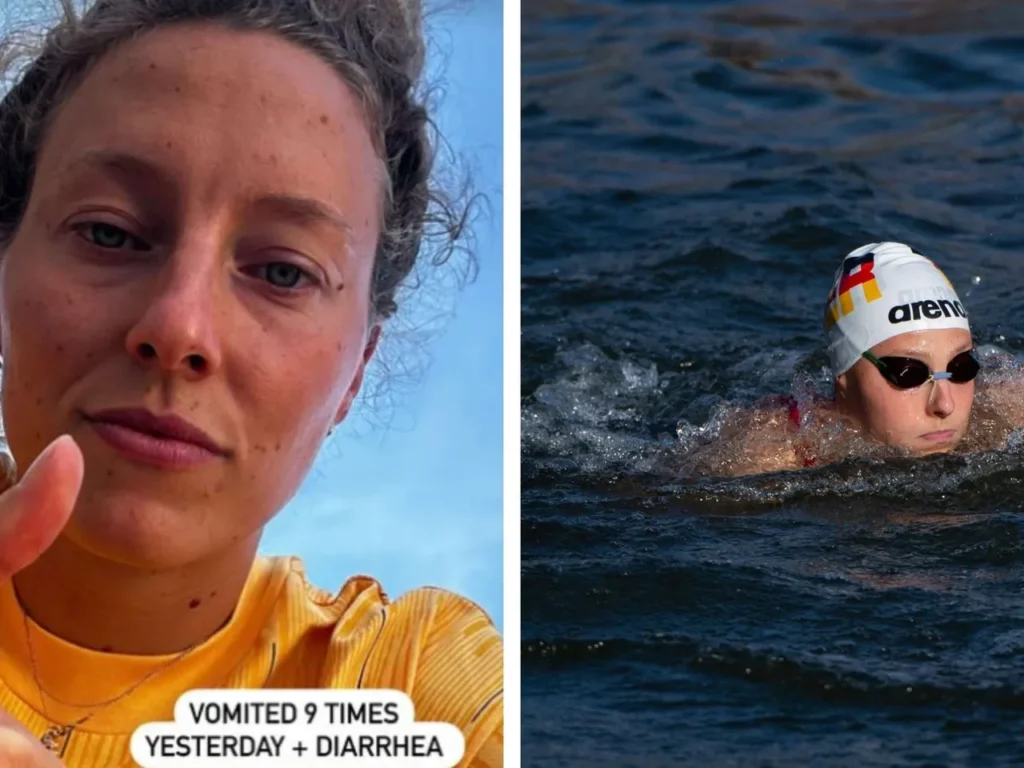
That water quality isn’t only a problem in war zones became evident during the 2024 Olympic Games in Paris. Several athletes, including swimmers, fell ill after competing in events held in the Seine. This iconic river, flowing through the heart of Paris, became a health hazard for the participants.
The Seine—like many rivers in urban areas—is heavily affected by wastewater and pollutants. Despite efforts to improve water quality ahead of the Games, these measures were apparently not sufficient. The contamination was so severe that it made athletes sick—a stark reminder that even in a highly developed country like France, water quality cannot be taken for granted.
Some athletes took to TikTok to report feeling unwell after swimming in the Seine. This raises the question: How could the organizers or the city of Paris have failed to ensure proper water quality checks beforehand?
BIODOS: A Solution for Clean Water
Given the alarming state of water quality, the question arises: What can be done? This is where BIODOS comes in—a cutting-edge technology specifically designed to make water safe and clean, even under difficult conditions. BIODOS uses innovative biological methods to efficiently treat heavily polluted water and remove harmful substances.
This technology can be life-saving, particularly in conflict zones or areas with poor infrastructure. BIODOS offers a sustainable and environmentally friendly solution that can be deployed in both urban and rural settings. By implementing such technologies, we can ensure access to safe drinking water—even in times of crisis.
A Wake-Up Call to the World
Both the impact of war on water quality and the events at the Olympic Games underscore the urgent need to protect our water resources. BIODOS stands as a powerful example of how modern technology can help us confront this threat and secure the future of our drinking water.
We cannot allow war or neglect to endanger our vital water sources. Clean drinking water is a human right that must be protected and preserved—today and for generations to come. With the right technology and the will to act, as BIODOS exemplifies, we can create a world where water remains a source of life—not a threat.